
The Big Picture – Yearly Curriculum Planning for Clubs and Coaches
Developing a Roadmap for Skills Progression and Training Consistency
Every successful club and coaching program operates with a clear vision, and at the heart of that vision is a well-structured yearly curriculum. Without a defined roadmap, training sessions can become disjointed, player development can stagnate, and long-term success can feel like a moving target.
Whether you’re managing a grassroots club or an elite academy, having a comprehensive curriculum ensures consistency, measurable progress, and an engaging experience for players. In this guide, we’ll explore the key components of yearly curriculum planning, helping you develop a system that aligns with your club’s goals and maximizes player growth.
Building Blocks of a Yearly Curriculum
- Define Your Club’s Core Philosophy and Playing Style
Before diving into drills and schedules, it’s crucial to establish the guiding principles of your club. Ask yourself:
- What kind of players are we developing?
- What is our tactical identity?
- How does our playing style evolve at different age levels?
A well-defined club philosophy sets the tone for training and ensures that all teams, from the youngest to the oldest, are working toward a common goal.
- Establish Skill Progressions by Age Group
A strong curriculum should outline clear technical, tactical, physical, and mental development goals for each age group. This ensures a logical and structured approach to learning, preventing gaps in development.
- U6-U8: Focus on fun, motor skill development, and basic ball control.
- U9-U12: Introduce tactical awareness, passing sequences, and positional understanding.
- U13-U16: Emphasize game intelligence, advanced tactical play, and conditioning.
- U17-U19: Sharpen competitive skills, game management, and high-pressure decision-making.
By breaking development down into structured stages, players experience consistent growth without skipping fundamental skills.
- Align Training Sessions with Seasonal Goals
A yearly curriculum should be broken into phases that align with the competitive calendar.
- Preseason: Build fitness, establish team principles, and introduce new concepts.
- In-Season: Reinforce tactical awareness, refine skills, and balance match preparation with recovery.
- Postseason: Focus on evaluations, reflection, and individual development plans.
- Offseason: Encourage individual training, fitness maintenance, and technical skill work.
Each phase serves a specific purpose, ensuring players develop holistically throughout the year.
- Create a Balanced Training Schedule
While skill development is crucial, overtraining and burnout are real concerns. A well-structured curriculum balances:
- Skill development drills (technical and tactical training)
- Small-sided and full-field games (application of tactics)
- Strength and conditioning (injury prevention and endurance)
- Rest and recovery (to avoid fatigue and mental exhaustion)
A thoughtful mix keeps players engaged while preventing overuse injuries.
- Implement Evaluation and Progress Tracking
Development isn’t just about showing up to practice—it’s about measurable growth. Regular evaluations should be built into your curriculum, including:
- Technical skill assessments
- Tactical understanding evaluations
- Fitness benchmarks
- Player self-reflection sessions
These checkpoints help players, coaches, and parents track progress and adjust training plans as needed.
A strong yearly curriculum is the foundation of long-term success for any club. It provides structure, clarity, and a roadmap that ensures every player is developing at an optimal pace. By defining a clear philosophy, establishing skill progressions, balancing training loads, and tracking progress, clubs can create an environment where players thrive and reach their full potential.
For clubs looking to implement or refine their curriculum, now is the time to assess your structure and take proactive steps toward a more consistent and effective development model. The big picture is built one session at a time—so start planning today. Contact Art at Art of Kickin’ It today to learn how to amplify your Club’s presence.
Key Takeaways:
✅ A yearly curriculum ensures structured, consistent player development.
✅ Defining a club philosophy sets the foundation for training and playing style.
✅ Skill progressions should be mapped out by age groups to prevent developmental gaps.
✅ Training sessions must align with seasonal goals to balance preparation, competition, and recovery.
✅ Player evaluation and tracking are essential for long-term growth and success.
about author
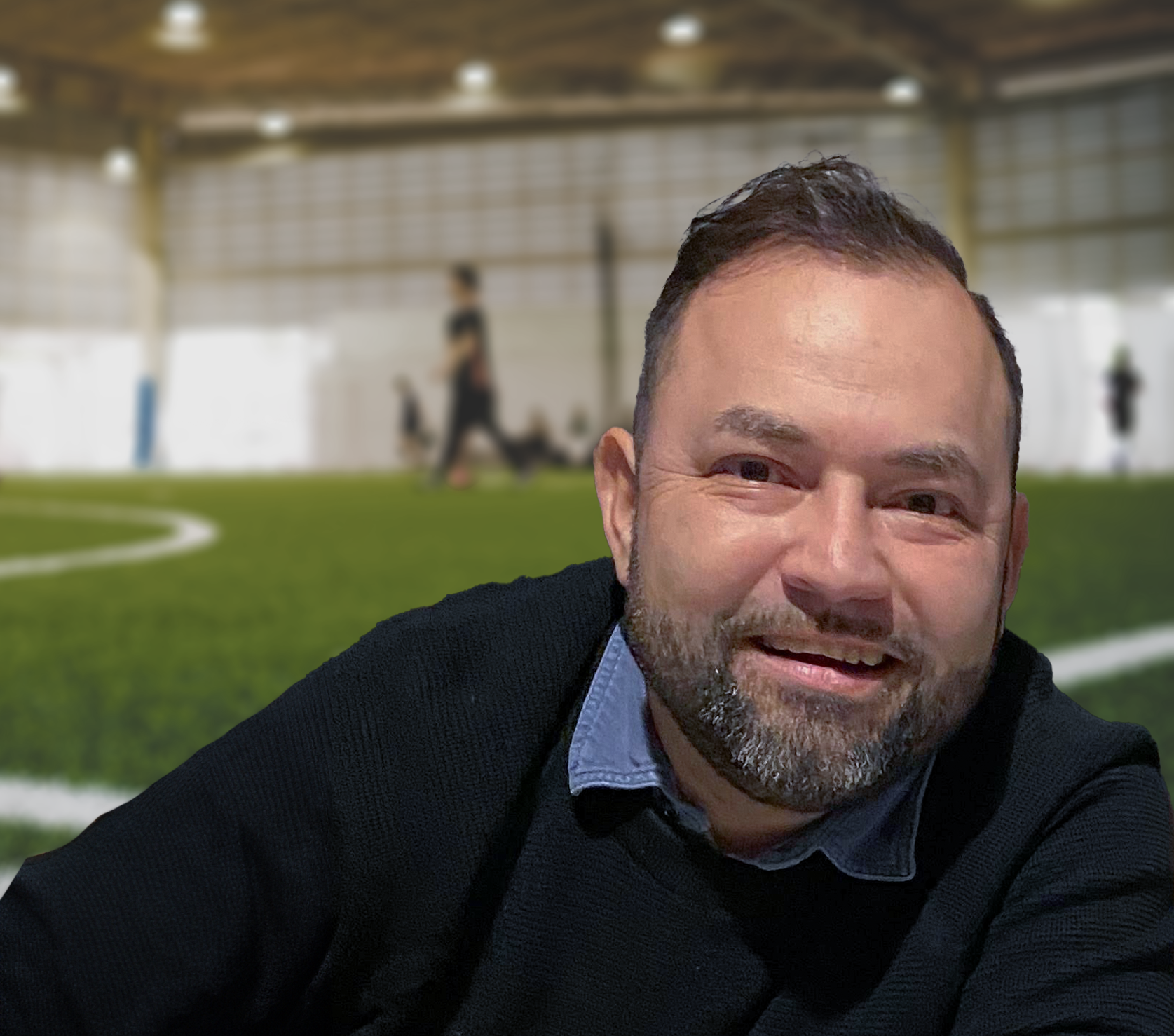
Art Hernandez has over 15 years of youth coaching experience and over 20 coaching diplomas, certifications, and licenses. He is also a mentor and sports-lifestyle coach.
